

You’ve probably seen the hype—but does red light therapy actually work?
Red light therapy is everywhere right now—used for skin, pain, recovery, and even anti-aging.
But here’s the reality:
Some benefits are supported by research
Some are overstated
And results depend heavily on the device and how you use it
Let’s break it down clearly so you know what’s real—and what’s not.
What Is Red Light Therapy?
Red light therapy (also called photobiomodulation) uses specific wavelengths of light to interact with your cells.
The two most common types:
- Red light (630–660 nm) → skin + surface tissue
- Near-infrared (810–880 nm) → deeper tissues, joints, muscles
These wavelengths penetrate the skin and are believed to support cellular energy production (mitochondria).
What the Science Says (Evidence-Based)
Research indexed in PubMed suggests several potential benefits.
1. Skin Health and Collagen
Some studies show red light therapy may:
- Improve skin texture
- Reduce fine lines
- Support collagen production
This is one of the most consistently supported uses
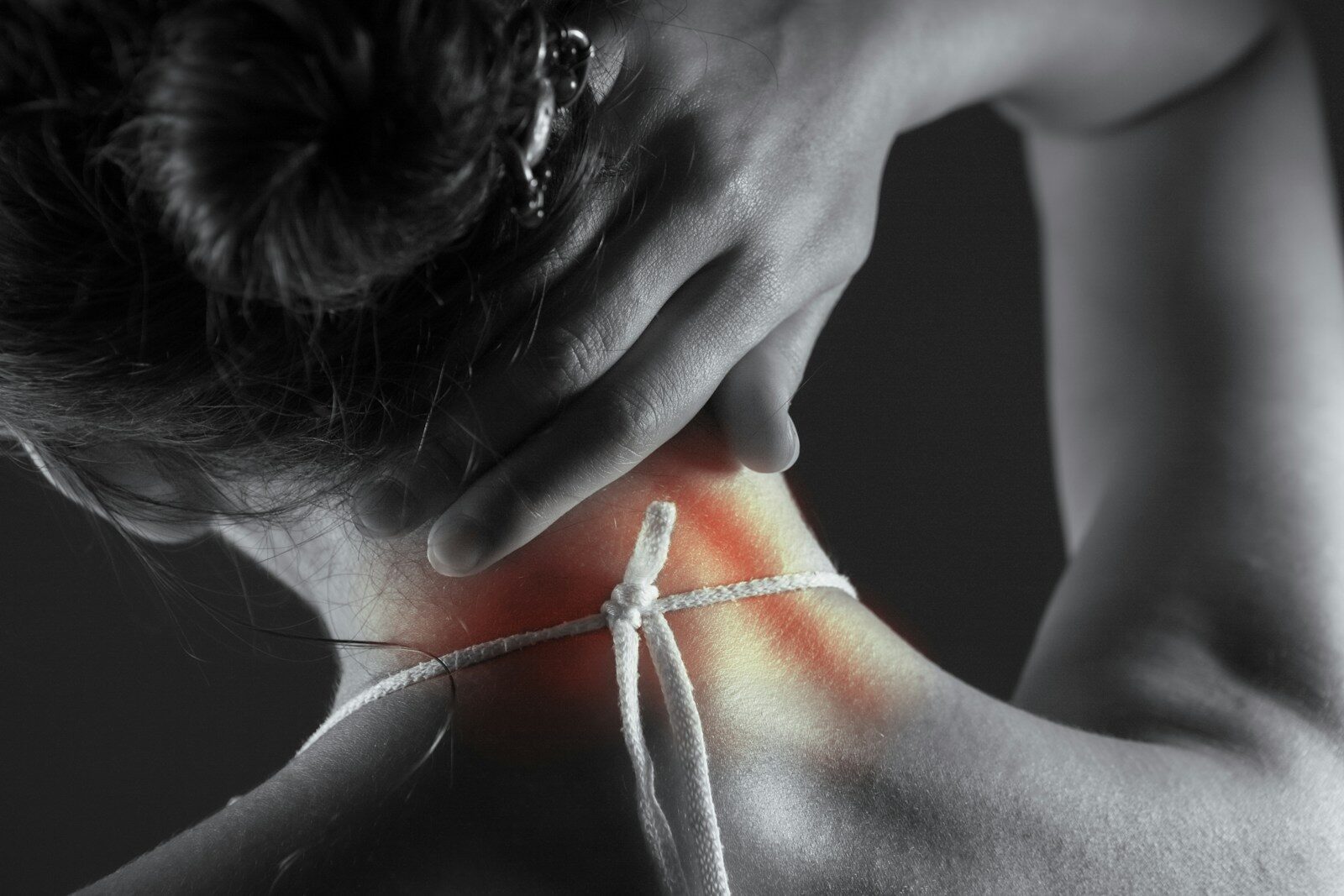
2. Pain and Inflammation
Evidence suggests it may help:
- Reduce joint pain
- Decrease inflammation
- Support injury recovery
Commonly used for:
- Arthritis
- Muscle soreness
- Tendon issues
3. Muscle Recovery and Performance
Some studies indicate:
- Faster recovery after exercise
- Reduced muscle fatigue
Popular in athletic and rehab settings
4. Wound Healing
There is evidence supporting:
- Faster tissue repair
- Improved healing in certain conditions
What Red Light Therapy Does NOT Do
Let’s be clear so you don’t fall for bad marketing:
🚫 It is not a miracle cure
🚫 It will not replace medical treatment
🚫 Results are not instant
Most benefits require consistent use over weeks
Why Some People See No Results
This is where most people go wrong:
1. Weak Devices
Many cheap devices don’t deliver enough power to be effective.
This is the #1 reason people think it “doesn’t work”
2. Wrong Wavelengths
If the device doesn’t use clinically relevant ranges, results will be limited.
3. Inconsistent Use
Using it once or twice a week won’t do much.
4. Incorrect Distance
Too far away = reduced effectiveness
Does Device Quality Matter?
Yes—and this is critical.
Two devices can look identical but perform very differently based on:
- Power output (irradiance)
- Wavelength accuracy
- Coverage area
If you’re considering using red light therapy at home, choosing the right device matters just as much as using it consistently.
You can see a breakdown of the most effective at-home options here:
Best Red Light Therapy Devices for Home Use
How Long Does It Take to See Results?
This varies depending on the goal:
- Skin: ~4–8 weeks
- Pain relief: sometimes sooner (1–3 weeks)
- Recovery: ongoing with consistent use
How to Use It Effectively
Basic guidelines:
- Distance: 6–12 inches
- Time: 10–20 minutes per area
- Frequency: 3–5 times per week
👉 Consistency matters more than intensity
Is Red Light Therapy Safe?
Generally, research suggests it is safe when used appropriately.
However:
- Avoid overuse
- Follow manufacturer guidelines
- Use eye protection if recommended
Who Should Consider It?
You may benefit if you are looking to support:
- Skin health and aging
- Muscle recovery
- Joint pain or inflammation
- General wellness routines
Final Verdict: Does Red Light Therapy Work?
Yes—there is scientific support for several uses
But:
- Results are moderate, not dramatic
- Device quality matters
- Consistency is required
What to Do Next
If you’re thinking about trying it, don’t just buy the first device you see.
👉 Start here to compare the most effective options:
[Best Red Light Therapy Devices for Home Use]